Maggie Wang

I am a final year PhD student in Biomedical Data Science at Stanford advised by Mike Baiocchi.

I do research in causal inference, focusing on developing new methods to design better randomized experiments. (See inspection-guided randomization and experimental evaluation of AI-assisted decision-making).

Outside of methods development research, I have been the lead statistician on several applied studies of health interventions and outcomes. (See quantifying under-referral rates for patients with chronic kidney disease, assessing the relationship between depression and substance use in adolescents and adults, and evaluating the effectiveness of a mental health chatbot for individuals with substance use disorder).

Recently, I have also been interested in evaluating the impact of frontier AI on education, healthcare, and the economy. I am a current member of the Stanford HAI AI Policy Working Group and previously worked as an intern with the AI Governance Lab at the Center for Democracy & Technology.

Before Stanford, I received a B.S. in Biomedical Engineering and in Computer Science from Johns Hopkins University.

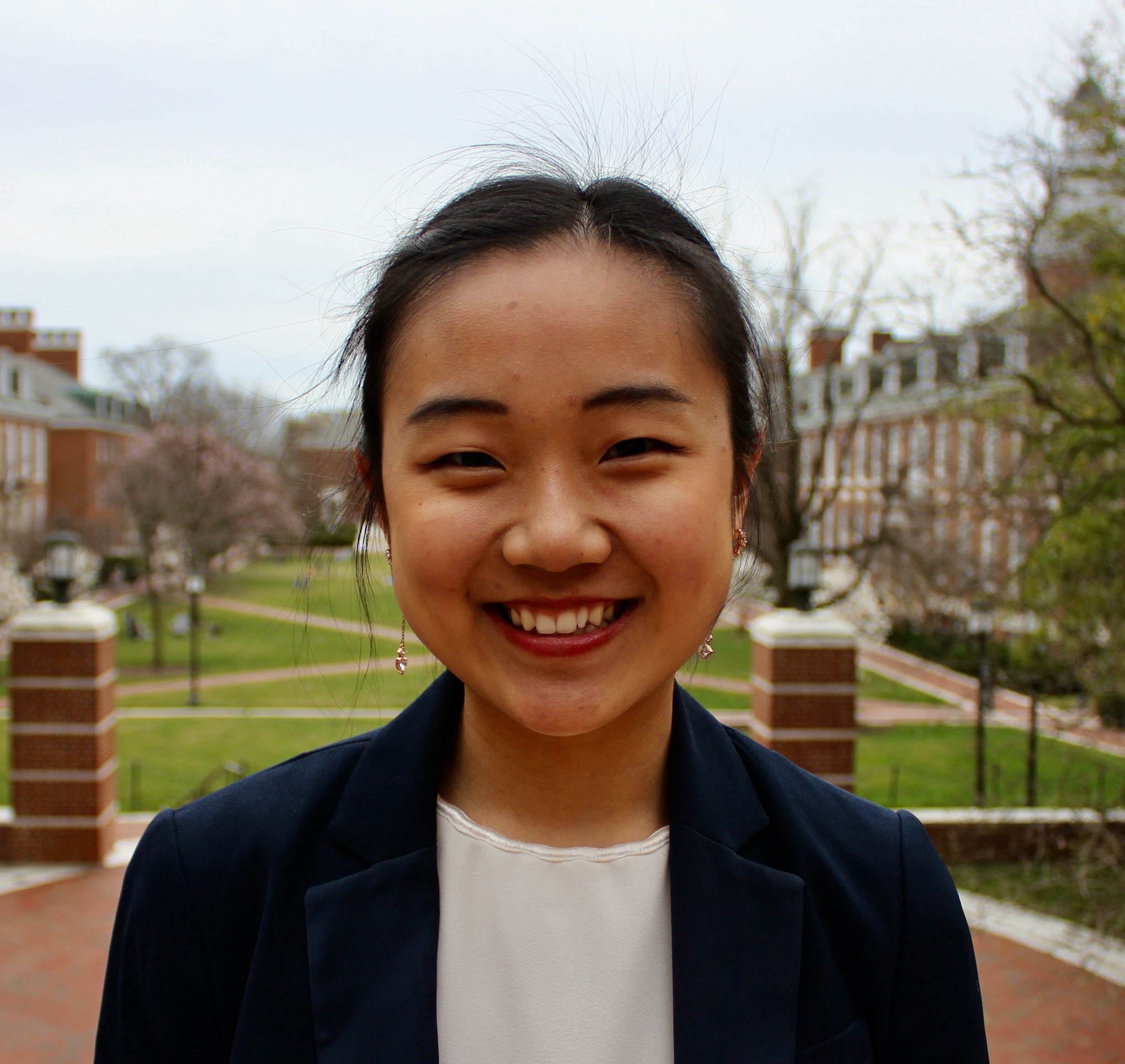
Photo of Maggie Wang
Research
2026
Safe & Interpretable ML

A Practical Upper Bound on Selection Bias Effects in Medical Prediction Models

Kara Liu, Maggie Wang, Russ B. Altman

doi · arxiv · pdf · code

Proposes a practical upper bound on how selection bias degrades a model’s performance on an unobserved target population using only partially observed selection mechanisms and target data, validated on synthetic, All of Us, and MIMIC-IV data.

Causal Inference & Experimental Design

Evaluating Algorithm-Assisted Human Decision-Making Over Repeated Algorithm Exposure: Recommendations for Effect Estimands and Experimental Design

Maggie Wang, Michael Baiocchi

arxiv · pdf

Introduces effect estimands and a minimax stepped double wedge design for evaluating algorithm-assisted decision-making when human behavior adapts under repeated algorithm exposure.

Health Interventions & Outcomes

A Relational Agent for Treating Substance Use in Adults: A Randomized Controlled Trial with a Psychoeducational Comparator

Judith J. Prochaska, Maggie Wang, et al.

doi · pdf · code

A randomized trial found a Woebot-based digital intervention for substance use produced improvements comparable to an active psychoeducational control, with no significant difference between conditions.

2025
Causal Inference & Experimental Design

Inspection-Guided Randomization: A Flexible and Transparent Restricted Randomization Framework for Better Experimental Design

Maggie Wang, René Kizilcec, Michael Baiocchi

doi · pdf · code

Introduces inspection-guided randomization, a flexible restricted-randomization framework that filters out undesirable treatment assignments against pre-registered design criteria to improve experimental design.

2024
Health Interventions & Outcomes

Depression Screening Outcomes among Adolescents, Young Adults, and Adults Reporting Past 30-Day Tobacco and Cannabis Use

Shivani Mathur Gaiha, Maggie Wang, Mike Baiocchi, Bonnie Halpern-Felsher

doi · pdf

A national survey of adolescents through adults found tobacco-and-cannabis co-use was associated with higher odds of screening positive for depression than using either substance alone.

2023
Safe & Interpretable ML

Post-hoc Concept Bottleneck Models

Mert Yuksekgonul, Maggie Wang, James Zou

arxiv · pdf · code

Introduces Post-hoc Concept Bottleneck Models, which convert any pretrained neural network into an interpretable, concept-based model without sacrificing accuracy and support efficient global edits via concept-level feedback.

2022
Health Interventions & Outcomes

Underutilization of Nephrology Referral at High Kidney Failure Risk Levels

Maggie Wang*, Samson Peter*, Chi Chu, Delphine Tuot, Jonathan Chen

doi · pdf

A national claims analysis found nearly half of chronic kidney disease patients at high risk of kidney failure had not seen a nephrologist within a year of that risk becoming identifiable.

* equal contribution

Other Writing

What Are They Willing to Risk? Why AI Companies Need to Make Their Risk Appetites More Legible to the Public